
Potable vs Non-Potable Water Explained: Safe Drinking Standards and Everyday Applications
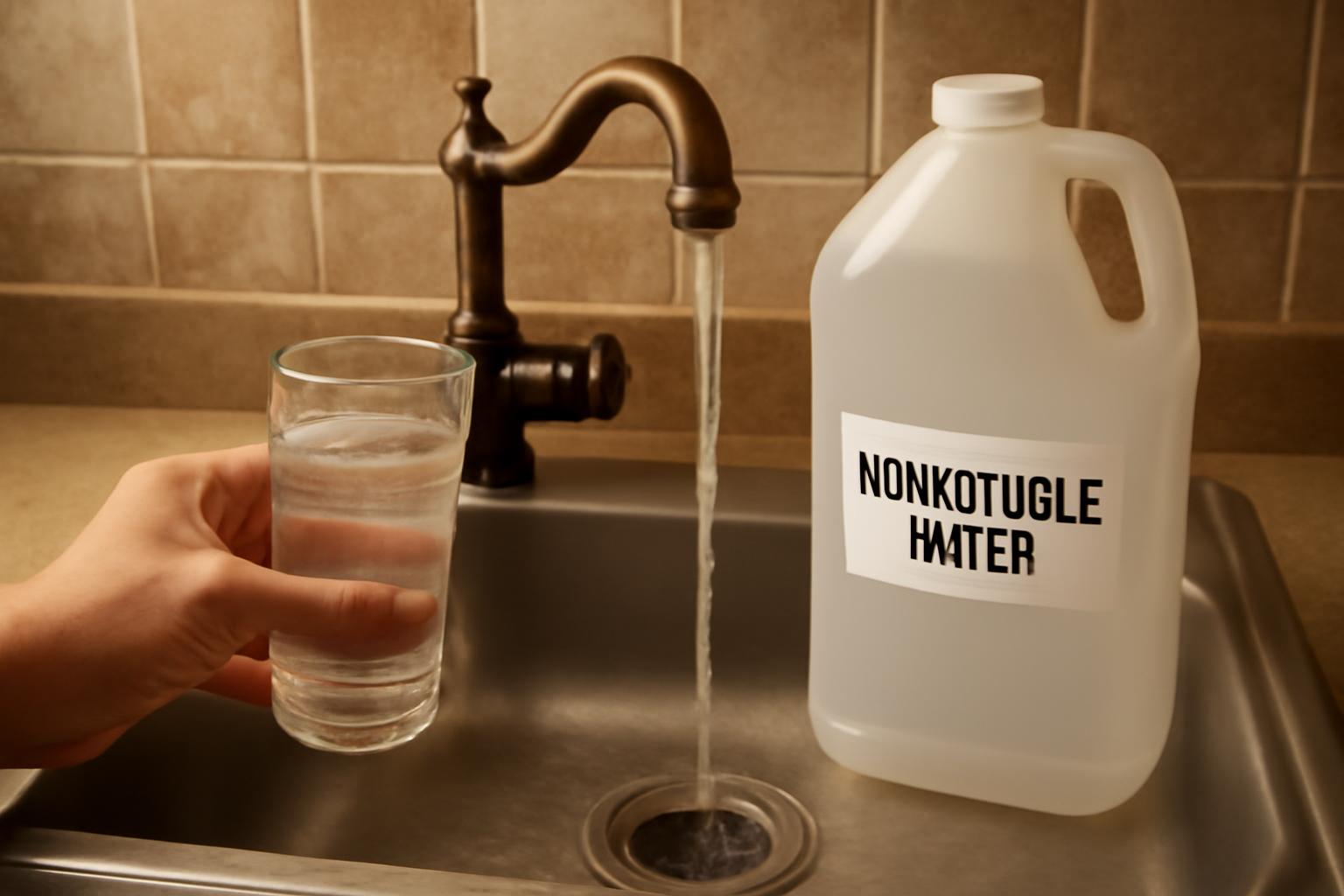
Potable water is safe for drinking and brushing teeth; nonpotable water is not. Other uses vary with source, treatment, plumbing and local rules.
If you’ve been asking what is potable and nonpotable water, the core distinction is simple:
- Potable water is safe for human consumption
- Non-potable water is not
For homeowners, though, that basic definition has real consequences. It affects what water you can safely drink, cook with, or use for brushing teeth. It also affects how you think about private wells, rain barrels, irrigation water, graywater, septic systems, and any property where more than one kind of water may be present.
The most important point is that the source alone does not decide whether water is potable. Water from a river, reservoir, roof, or aquifer is not automatically safe to drink just because it looks clear. A private well is not automatically unsafe just because it is not municipal. What matters is whether the water has been treated, tested, and verified for drinking use, or whether it remains reserved for non-drinking purposes.
That is also where the “safe drinking standards” part comes in. In general terms, water is considered potable when it meets drinking-water requirements for human consumption. Public water systems monitor and report on that quality. Private supplies, such as wells, can also provide potable water, but the owner has more responsibility for verifying that safety.
For most homes, the working rule is straightforward:
- Use potable water for drinking, cooking, food preparation, and other ingestion-related tasks
- Use non-potable water only for clearly designated non-drinking purposes, such as irrigation or toilet flushing, where the system is designed for it
- Keep the two separated so they do not mix
Defining Potable Water
Potable water is water that is safe for human consumption. In everyday household terms, that means water suitable for uses such as:
- drinking
- cooking
- making ice
- food preparation
- washing produce
- brushing teeth
- other tasks where water may be swallowed
The word potable comes from the Latin potare, meaning “to drink.” That origin captures the main idea: potable water is water meant for drinking and closely related uses.
What makes water potable is not its appearance. Clear water can still contain harmful contaminants. Potable water is a safety category, not a visual one.
At a high level, potable water is water that has been treated, tested, or otherwise verified so it is suitable for drinking. The U.S. Department of Energy explains this in practical terms for alternative water sources: treatment can produce water that is either non-potable or potable, depending on the intended application and the level of treatment. In other words, “potable” describes the final safety status, not just the original source.
For homeowners, common examples of potable water include:
- municipal tap water delivered by a public water system
- private well water that has been shown to be safe
- regulated bottled water
What “safe drinking standards” means in practice
A headline phrase like “safe drinking standards” can sound technical, but the homeowner version is simpler than it seems.
Potable water is expected to be suitable for human consumption because it has been brought into line with drinking-water requirements. For public systems, EPA materials explain that water is monitored, tested, and reported to make sure it meets drinking-water standards. Customers of community systems typically receive an annual water-quality report, often called a Consumer Confidence Report.
That does not mean every public-water discussion needs to turn into a chemistry lesson. The practical point is this:
- potable water is not just untreated water that seems clean
- potable water is water verified for drinking use
- public systems handle much of that verification before the water reaches the home
For private supplies, especially wells, the situation is different. A well can absolutely provide potable water, but the homeowner carries more of the burden for confirming safety and maintaining the system.
Common examples homeowners recognize
Most households encounter potable water in one of three forms.
Municipal tap water
For many homes, potable water arrives from a public water system. That system treats water before distribution and monitors it under drinking-water rules. This is the most familiar example of potable water in daily life.
Tested private well water
Private well water is often misunderstood. Well water is not automatically potable, but it can be. If the well is properly maintained and the water quality is known to be safe, it may serve as the home’s potable supply.
Bottled water
Regulated bottled water is another example of potable water, though it usually matters less to whole-house plumbing decisions than tap water or a well.
Source does not equal potability
This is the misconception that causes most confusion.
Groundwater, for example, may become potable when it comes from a protected and properly managed well. But groundwater in general is not automatically potable just because it is underground. The same logic applies to springs, rivers, and reservoirs. A source is just a source. Potability is a verified safety status.
A simple homeowner rule is this: if the task involves swallowing water or using it directly with food, use potable water.
Defining Non-Potable Water
Non-potable water is water that is not considered safe for human consumption. In general, that means it should not be used for drinking or any task where ingestion is likely.
Why is it non-potable? Usually for one of two reasons:
- it may contain contaminants
- it has not been treated to drinking-water standards
That second point matters. Non-potable water is not always obviously dirty. Some non-potable water is raw and untreated, such as lake water or stormwater. Some is partially treated. Some recycled water may be treated to a high level for a specific reuse purpose and still remain classified as non-potable because it is designated only for non-drinking use.
EBMUD describes non-potable water in similar terms: water not treated to drinking-water standards and not meant for human consumption. The utility uses both raw untreated water and highly treated recycled water in non-potable applications. That example shows why “treated” does not automatically mean “drinkable.”
In practical home language, non-potable water can be described as:
- water not safe to drink
- water not approved for human consumption
- water not treated for drinking use
- water reserved for limited, non-drinking applications
Common examples of non-potable water
Homeowners are most likely to encounter non-potable water in forms such as:
- rainwater collected from roofs or catchment systems
- untreated surface water from lakes, ponds, rivers, or streams
- stormwater runoff
- graywater from certain household uses
- reclaimed or recycled wastewater used for designated reuse
The important point is that non-potable does not mean useless. It means use-limited.
Many non-potable systems exist specifically to conserve higher-quality water. If a task does not require drinking-water quality, a properly managed non-potable supply can sometimes do the job instead.
What not to use non-potable water for
For homeowners, the conservative definition is the safest one. If water is non-potable, do not use it for:
- drinking
- cooking
- making beverages
- brushing teeth
- washing produce
- food preparation
- any task where ingestion is likely
Some sources discuss broader non-potable uses, including certain cleaning or laundry applications. Those uses depend heavily on the water source, treatment level, plumbing design, and local rules. So the safest general statement is:
Non-potable water is for non-drinking uses only unless it receives additional treatment and is verified as safe for potable use.
Natural water often starts in the non-potable category
A creek, pond, river, spring, or groundwater source may look clean. That does not make it potable. DOE guidance on alternative water treatment levels and multiple third-party sources in the evidence pack all support the same basic principle: natural water is generally treated as non-potable until treatment or verification makes it suitable for drinking.
That source-versus-status distinction is the key to understanding the whole topic.
Common Sources of Each Water Type
One of the easiest ways to get confused about potable and non-potable water is to blur together where water comes from and whether it is safe to drink. Those are related questions, but they are not the same question.
Common potable water sources
For most homeowners, the main potable sources are:
- treated municipal water
- private well water that has been tested and maintained
- regulated bottled water
Municipal water
Municipal tap water is the most common potable source in urban and suburban homes. EPA guidance explains that public water systems monitor, test, and report contaminants to make sure water meets drinking-water standards before it reaches customers.
That is why municipal tap water is usually the default household potable supply.
Tested well water
A private well can also be a potable source, but only when the water is shown to be safe. EPA materials emphasize that private well owners are responsible for ensuring their own water safety, because they do not receive the same built-in system-wide oversight as public-water customers.
That does not make well water inferior by definition. It just means the responsibility is different.
Bottled water
Bottled water is another common potable source. It matters less to drain and plumbing layout than tap or well water, but it still fits the potable category because it is intended for human consumption.
Common non-potable water sources
Typical non-potable sources include:
- rainwater
- untreated surface water such as lakes, ponds, rivers, and reservoirs
- stormwater
- graywater
- reclaimed or recycled wastewater
Rainwater
Collected rainwater is usually treated as non-potable in residential settings. Once rain falls onto a roof, enters gutters, or sits in storage, it can pick up contaminants and is generally not assumed safe for drinking.
Untreated surface water
Water from lakes, rivers, streams, and reservoirs is a classic non-potable source before treatment. Utilities may later treat that water into a public drinking supply, but before treatment it is simply raw water.
Stormwater
Stormwater can carry sediments and pollutants from roofs, driveways, streets, and landscaped areas. That makes it a poor candidate for direct human consumption.
Graywater
Graywater comes from certain household activities such as sinks, showers, or laundry. It is not drinking water. Source material in the evidence pack describes it as containing soaps, food particles, hair, detergents, and similar contaminants, which is why it is generally treated as non-potable.
Reclaimed or recycled wastewater
This category often causes confusion because treatment levels can be high. But a recycled supply can still be non-potable if it is intended only for irrigation, toilet flushing, or similar reuse applications.
Public versus private responsibility
Another major difference between water sources is who is responsible for the water quality.
- With public water systems, the utility treats, monitors, and reports on the water.
- With private wells or private storage systems, the homeowner takes on much more responsibility.
That distinction matters on properties with more than one water type. A home may have potable municipal water indoors, a rain barrel outside, irrigation lines at the landscape, and a septic system handling wastewater. Those systems are not interchangeable.
Safe Uses and Applications at Home
Once you understand the definitions, the next question is the practical one: what can I safely use potable vs non-potable water for around the house?
The short answer is:
- Potable water is for ingestion-related and food-related uses
- Non-potable water is for selected non-drinking tasks
Uses that call for potable water
Potable water should be the default for:
- drinking
- cooking
- making ice
- washing produce
- mixing beverages
- brushing teeth
- food preparation
These are the uses where human consumption is either direct or very likely. This is the clearest dividing line between the two water types.
Common home uses for non-potable water
Non-potable water is commonly used for:
- irrigation
- landscape watering
- toilet flushing
- some mechanical or property-maintenance uses
Other uses sometimes mentioned in source material include:
- vehicle washing
- some outdoor cleaning
- laundry in certain reuse systems
Those uses require extra caution in an article for ordinary homeowners. They are not universal permissions. Whether they are appropriate depends on the source, how the water is treated, how the system is plumbed, and what local rules allow.
A careful way to say it is this:
Toilet flushing and irrigation are the clearest household non-potable uses. Laundry, vehicle washing, and similar uses may be possible in some dedicated reuse setups, but they should not be treated as automatic uses for every non-potable source.
A simple household-use chart
| Household task | Potable water | Non-potable water |
|---|---|---|
| Drinking | Yes | No |
| Cooking and food prep | Yes | No |
| Brushing teeth | Yes | No |
| Washing produce | Yes | No |
| Making ice | Yes | No |
| Toilet flushing | Commonly used in most homes, but not required by the task itself | Often suitable in dedicated non-potable systems |
| Lawn and ornamental irrigation | Commonly used in many homes, but not required by the task itself | Common non-potable use |
| Laundry | Commonly used in most homes | Varies by source, treatment, plumbing, and local rules |
| Vehicle washing | Often used in practice | May be suitable in some non-potable setups; not universal |
| Outdoor surface cleaning | Often used in practice | May be suitable in some cases; not universal |
Why households use non-potable water at all
The main reason is conservation.
Using drinking-quality water for every task is not always necessary. Irrigation and toilet flushing are the clearest examples. If a property can use a non-potable source for appropriate non-drinking tasks, it can help preserve potable supplies for the jobs that actually require them.
This is the same logic utilities use at larger scale. EBMUD, for example, uses non-potable water for irrigation and treatment processes specifically to stretch water supplies. Non-potable water reuse guidance also notes that reuse systems can reduce reliance on drinking-water supplies and support more sustainable water management.
The safest homeowner rule
A very practical rule is to sort tasks into two groups.
Group 1: ingestion or likely ingestion
Always use potable water for:
- drinking
- cooking
- food preparation
- brushing teeth
- washing produce
- making beverages or ice
Group 2: clearly non-drinking uses
Non-potable water may be appropriate for:
- watering lawns and ornamentals
- toilet flushing
- other specifically designed reuse applications
If the use case falls into a gray area, the conservative choice is best: use potable water unless the non-potable use is clearly intended and properly set up.
Key Differences: A Side-by-Side Comparison
The easiest way to understand potable and non-potable water is to compare them directly.
| Category | Potable water | Non-potable water |
|---|---|---|
| Basic meaning | Safe for human consumption | Not considered safe for human consumption |
| Drinking use | Yes | No |
| Food-related use | Yes | No |
| Treatment status | Treated, tested, or verified for drinking use | Untreated, partially treated, or treated only for limited non-drinking uses |
| Typical sources | Municipal tap water, tested well water, regulated bottled water | Rainwater, untreated surface water, stormwater, graywater, reclaimed wastewater |
| Typical household role | Drinking, cooking, food prep, brushing teeth | Irrigation, toilet flushing, other designated non-drinking tasks |
| Oversight | Public systems are monitored and reported; private potable supplies require owner vigilance | Rules typically focus on the approved end use and keeping systems separate |
| Visual appearance | Appearance alone does not define it | Appearance alone does not define it |
Safety
This is the biggest distinction.
- Potable water is safe to drink
- Non-potable water is not
That does not mean every exposure to non-potable water produces the same outcome, and it does not mean potable water is defined by looks or taste. It means the water’s intended and verified safety status is different.
For homeowners, that status should guide decisions more than appearance does.
Treatment
Potable water has undergone the level of treatment, testing, or verification needed for drinking use. DOE guidance notes that alternative water sources may be treated to either non-potable or potable quality depending on the intended application.
Non-potable water may have:
- no treatment at all
- limited treatment
- substantial treatment for a specific reuse purpose that still does not make it a drinking supply
This is especially important with reclaimed water. Highly treated recycled water can still remain non-potable if it is designated for irrigation, flushing, or another non-drinking use.
Uses
Potable water is for uses tied to consumption:
- drinking
- cooking
- food preparation
- washing produce
- brushing teeth
Non-potable water is for uses where drinking-water quality is unnecessary, such as:
- irrigation
- toilet flushing
- selected reuse applications
Regulation and monitoring
Public potable water systems are monitored and reported on. EPA explains that public water customers generally receive water-quality information through routine reporting. That is a major difference from many private or alternative water setups.
Non-potable water can still be regulated, but the rules are usually tied to:
- the intended end use
- exposure risk
- the need to keep non-potable plumbing separate from potable plumbing
For a homeowner, that means the difference is not just “safe” versus “unsafe.” It is also drinking supply versus limited-purpose supply.
The misconception to avoid
The biggest mistake is assuming source categories and safety categories always line up.
- Well water is not automatically potable
- Rainwater is not automatically safe to drink
- Recycled water is not automatically unsafe for every use
- Clear-looking water is not automatically potable
Potable and non-potable are practical categories tied to intended use, treatment, verification, and separation.
Relevance to Home Plumbing and Drains
For a homeowner dealing with plumbing or drain problems, this topic matters most in homes where more than one water system or wastewater system is involved.
That might include a property with:
- a private well
- a septic system and drain field
- rainwater collection used outdoors
- a graywater reuse setup
- irrigation or storage systems carrying non-potable water
In a basic city-water house with no reuse system, potable-versus-non-potable distinctions may feel remote. You have potable water entering the house and wastewater leaving it. But once you add private supplies, wastewater disposal systems, or alternative water storage, the distinction becomes more relevant.
Where the issue actually matters for homeowners
The strongest homeowner connection is not that every slow drain points to a water-quality problem. It does not.
A single slow sink or tub drain is usually just a clog. DrainFinder’s own residential guidance focuses on blockage location, symptoms, and normal plumbing failures, not on potability concerns.
The water-type issue becomes more relevant in narrower situations, such as:
- cross-connections between drinking water and non-potable systems
- private wells located near septic systems or other contamination sources
- septic failures or surfacing wastewater on the property
- homes with dedicated reuse systems where water is routed differently than in standard plumbing
That is a more accurate and evidence-based way to connect the topic to drains and plumbing.
Backflow and cross-connection risks
One clear reason to understand potable versus non-potable water is the risk of backflow or cross-connection. The evidence pack includes third-party material specifically emphasizing that non-potable and potable systems must be properly handled and kept separate to avoid contamination.
For homeowners, this matters most where non-potable water may be present in:
- irrigation lines
- reuse plumbing
- outdoor storage tanks
- special-purpose water branches
The practical point is simple: potable and non-potable plumbing should remain separate. If they become connected, the household drinking-water supply can be put at risk.
Septic systems, drain fields, and private wells
This is one of the clearest places where drain concerns and water safety meet.
EPA guidance on home water testing notes that private well water quality concerns can be influenced by the nearness of the well to septic systems and by other contamination conditions on the property. DrainFinder’s drain-field content also notes that sewage surfacing over a field or a field that no longer accepts effluent can create a health hazard.
That means homeowners with private wells should think about the property as a whole:
- where drinking water comes from
- where wastewater goes
- whether wastewater is staying contained and treated as intended
If the drinking water source is private and wastewater problems are developing nearby, the issue is no longer just a convenience problem.
Rainwater, graywater, and ordinary drain symptoms
This is where it helps to stay precise.
Homes with rainwater or graywater systems may have more than one water pathway on the property, but that does not mean every slow drain indicates contamination or crossover. The evidence does not support that kind of broad claim.
A better way to think about it is:
- ordinary drain symptoms usually still point to ordinary plumbing problems
- water-type concerns matter when systems are misconnected, poorly separated, failing, or routed in ways that create exposure risk
So the homeowner lesson is not “every drain problem is a potability problem.” It is “if your home has alternative water systems or private wastewater systems, separation and system condition matter more.”
Practical homeowner takeaways
If you want the short version of the plumbing relevance, it is this:
-
Know which water systems exist on your property. City water, private wells, rainwater storage, graywater reuse, and septic systems serve different roles.
-
Do not assume all water on the property has the same status. Potable water and non-potable water are not interchangeable.
-
Keep potable and non-potable systems separate. This is the most important principle wherever reuse, irrigation, or special water storage is involved.
-
Take wastewater failures more seriously on private-water properties. If you rely on a well, nearby septic or drainage problems matter more than they do in a home served entirely by a public drinking-water system.
-
Treat sewage surfacing, septic failure, or obvious crossover signs as bigger-than-routine plumbing problems. Those situations can involve health risk, not just inconvenience.
That keeps the drain angle real and useful without overstating what normal drain symptoms do or do not mean.
Storage Considerations for Home Use
Storage matters because water quality can change after collection. Even if water begins in one category, poor storage can make it less suitable for that purpose later.
Storing potable water
At a high level, potable water storage should protect the water from contamination. Sources in the evidence pack consistently point to the same general principles:
- use clean storage
- use materials intended for drinking-water use
- avoid storing potable water in containers or systems used for non-drinking water
The exact technical requirements depend on the jurisdiction and the system, so it is best to keep this point general. The homeowner takeaway is simple: if you are storing drinking water, the storage setup itself should not introduce contamination.
That matters for:
- emergency drinking-water storage
- cisterns used for potable supply
- private water systems where storage is part of the setup
Storing non-potable water
Non-potable storage is common in systems such as:
- rain barrels
- rainwater tanks
- graywater tanks
- reuse storage for designated non-drinking applications
The evidence pack notes that non-potable tanks and stored non-drinking water can present maintenance concerns. Porous surfaces and unsuitable materials may collect bacteria or otherwise affect stored water quality. The practical result is that stored non-potable water should not be treated casually just because it is being used outdoors or for limited tasks.
Separation matters most
Whether the water is potable or non-potable, the most important storage principle is separation.
In plain terms, that means:
- keep potable and non-potable water in different containers or tanks
- avoid using the same fittings or containers interchangeably
- make it clear which storage is for drinking water and which is not
You do not need a technical manual to understand the risk. The biggest mistake is often not the existence of non-potable water itself. It is later confusion about what the stored water is, what it was intended for, and whether it was ever safe to drink.
Homeowner responsibility
This is another place where public and private systems differ.
With municipal service, treatment and system-wide monitoring happen before water reaches the home. Once the source or storage becomes private, the homeowner takes on more responsibility for preserving the intended water quality.
That is especially relevant for:
- wells
- private cisterns
- emergency drinking-water storage
- rain barrels
- graywater or reuse tanks
Why It Matters: Conservation and Basic Safety
Distinguishing potable from non-potable water is not just technical vocabulary. It supports two practical goals at once:
- protecting health
- conserving higher-quality water
Conservation
Potable water takes more treatment, monitoring, and protection because it must be suitable for human consumption. Using that quality of water for every task can be wasteful when some tasks do not require it.
That is why non-potable reuse exists. Guidance in the evidence pack describes non-potable reuse as a way to reduce reliance on drinking-water supplies and use water more sustainably. EBMUD’s examples show the same logic at utility scale: non-potable water helps stretch supplies when used for appropriate non-drinking purposes.
For homeowners, the clearest conservation uses are:
- irrigation
- landscape watering
- toilet flushing in dedicated systems
Basic safety
Conservation only works if the categories stay clear.
The safety case is straightforward:
- Potable water should stay reserved for consumption-related tasks
- Non-potable water should stay in the non-drinking uses it was meant for
Once that line is blurred, the benefit disappears and the risk rises.
This is why source identification, system separation, and cautious use matter. Not all water on a property has the same status, and homeowners should not assume it does.
Public oversight versus private vigilance
This difference matters because not every household receives the same level of external monitoring.
- Public-water customers benefit from system-wide treatment, testing, and reporting.
- Private well owners and people using private storage or alternative water systems have more direct responsibility.
That does not mean private water cannot be excellent. It means private water requires more vigilance because the homeowner has a bigger role in maintaining its safety.
Sustainable home practice without compromising safety
The smartest way to think about potable and non-potable water is not to treat them as competing categories. It is to match the water to the job.
- Use potable water where ingestion matters
- Use non-potable water for clearly designated non-drinking tasks
- Keep the systems separate
That approach supports sustainability without gambling with household safety.
FAQ
Is rainwater considered potable or non-potable?
In most residential situations, collected rainwater is treated as non-potable. Once rain is collected from a roof, gutter, or storage tank, it can pick up contaminants and is generally not assumed safe to drink.
Rainwater can be treated further, but homeowners should not assume a rain barrel or cistern contains potable water unless that water has been specifically treated and verified for drinking use.
Can non-potable water be used for laundry or toilet flushing?
Toilet flushing is one of the clearest non-potable uses. Laundry may also be possible in some dedicated reuse systems, but it is not a universal rule for every home or every non-potable source.
The careful answer is:
- toilet flushing is often an appropriate non-potable application
- laundry may be possible depending on the source, treatment level, plumbing setup, and local rules
- non-potable water should still not be used for drinking, cooking, or food preparation
What makes municipal tap water potable?
Municipal tap water is potable because it comes through a public water system that treats, monitors, and reports on water quality before distribution. EPA guidance explains that public water systems test water to make sure it meets drinking-water requirements, and customers usually receive annual water-quality reporting.
That said, system-wide reporting describes the supplied water overall and does not necessarily represent the exact condition at every household faucet.
Is well water automatically potable?
No. Well water is not automatically potable. A private well can provide potable water, but only when the water is shown to be safe and the well is properly maintained.
EPA materials make clear that private well owners are responsible for ensuring the safety of their own drinking water, which is one reason well water should never be assumed safe simply because it comes from underground.
How does non-potable water help conserve resources?
Non-potable water helps conserve resources by allowing homes, buildings, and utilities to use non-drinking water for tasks that do not require drinking-water quality.
Examples include:
- irrigation
- landscape watering
- toilet flushing
- other designated reuse applications
That preserves potable supplies for the tasks that actually need them, such as drinking, cooking, and food preparation.
Conclusion
Potable and non-potable water are easiest to understand when you stop thinking only about source and start thinking about safe use.
- Potable water is treated, tested, or verified so it is safe for human consumption.
- Non-potable water is not for drinking, but it can still serve useful non-drinking roles such as irrigation or toilet flushing in the right systems.
For homeowners, the practical rule is simple: reserve potable water for drinking and food-related tasks, use non-potable water only for clearly designated non-drinking purposes, and keep the two separated. That matters for everyday safety, for water conservation, and for avoiding bigger problems on properties with wells, septic systems, rainwater storage, or reuse plumbing.